
Hairstyle for Long Hair: The 5-Style System for Every Occasion
Photo by Elina Sazonova on Pexels — https://www.pexels.com/photo/1850585/
Most long hair fails the same way: it is worn down every day because deciding a style takes longer than the style itself, so the same loose hair goes to work, to dinner and to the family gathering — and by the end of the week it feels flat, in the way and unstylish, even though nothing is wrong with the hair. The problem is not the length. The problem is that there was no system: no style decided per occasion, no rule for where the front pieces fall, no kit laid out in advance and no timer — just a brush, a tie and a deadline. A style gallery does not fix that, because a gallery has no order, no rules and no timeline.
A hairstyle for long hair is not a gallery. It is a system: five styles that decide which occasion gets which style, a face-shape rule that decides where the face-framing pieces fall, a kit station that decides what is in reach before the first brush stroke, and a 10-minute rule that decides when a style gets simplified instead of extended. Five styles in order — sleek low ponytail, soft loose waves, classic three-strand braid, half-up twist, low messy bun — one style per occasion, each in 10 minutes. One product per style, never layered. And a free long-hair style map and 10-minute style card, so every style is mapped before it is worn and every step is timed before the first brush stroke. That is the whole system — and it is the reason this post is a system, not a list: a hairstyle for long hair only works when the occasion decides the style, the face shape decides the pieces, and the timer decides when to stop. No volume, search or trend figure is claimed for “hairstyle for long hair” in this post — the keyword sheet carries none, and none is borrowed from any other sheet or post. No rule here is presented as research: the five styles, the face-shape rule, the one-product rule, the 10-minute rule, the second-day rule and the no-heat default are this post’s own system rules, labeled as such.
The system at a glance
Five steps, in order. Then a printable, and a challenge.
- Step 1 — The five styles: sleek low ponytail, soft loose waves, classic three-strand braid, half-up twist, low messy bun — one style per occasion, each in 10 minutes.
- Step 2 — The face-shape rule + the kit station: the front pieces fall where the face shape asks for them, and one station, one spot — everything in reach before the first brush stroke.
- Step 3 — The one-product rule: one styling product per style — serum OR spray OR cream, never layered.
- Step 4 — The five-occasion map: workday, date night, busy day, family gathering, second-day refresh — one style per occasion, in order.
- Step 5 — The long-hair style map + 10-minute style card: every style mapped before it is worn, every step timed before the first brush stroke.
Six rules govern the whole system: the occasion decides the style, never the other way round; the front pieces fall where the face shape asks; one styling product per style, never layered; one style per occasion, 10 minutes maximum; day-two hair gets the bun or the braid, never the waves; and waves are the only heated style — the other four are no-heat. A hairstyle for long hair that follows the rules is worn in 10 minutes and holds the occasion; a hairstyle for long hair that ignores them is re-done in the hallway — and this system exists so the re-do never happens.
Step 1 — The five styles, in order
Five styles. Sleek low ponytail, soft loose waves, classic three-strand braid, half-up twist, low messy bun — in that order, and never starting with the date-night waves on a workday morning.
- Style 1 — Sleek Low Ponytail (workday): the opener — brushed smooth, gathered low at the nape, one tie, front pieces tucked or left long by face shape, one drop of serum. The style for the workday.
- Style 2 — Soft Loose Waves (date night): the soft night — large-barrel waves through the lengths only, ends left straight, one spritz of texture spray. The style for the evening out.
- Style 3 — Classic Three-Strand Braid (busy day): the keep-it-out-of-the-face day — one braid down the back, pulled loose at the edges for softness, one tie at the end. The style for the day with no time to re-do hair.
- Style 4 — Half-Up Twist (family gathering): the gathered night — top half twisted back and pinned, bottom half left long and loose, front pieces by face shape. The style for the gathering.
- Style 5 — Low Messy Bun (second-day refresh): the closer — day-two hair gathered low, twisted once, pinned loose, a few pieces pulled out at the front. The style that closes the week clean.
The styles never change order — only the occasion inside each style changes. The sleek low ponytail always opens the week; the low messy bun always closes it. That is the order a hairstyle for long hair follows — occasion first, style second, never the other way round. A style that takes longer than 10 minutes gets simplified — fewer steps, same style — never extended into a second sitting. The short-hair twin of this system is Short Haircuts for Women — post 1040 (#128) fits five short cuts to the face, one per face shape, and this post’s five styles fit long hair to the occasion — a cut post and a styling post, not the same post twice. No cut from #128 is re-used here, and no face-shape cut mapping from #128 is re-used as a style.
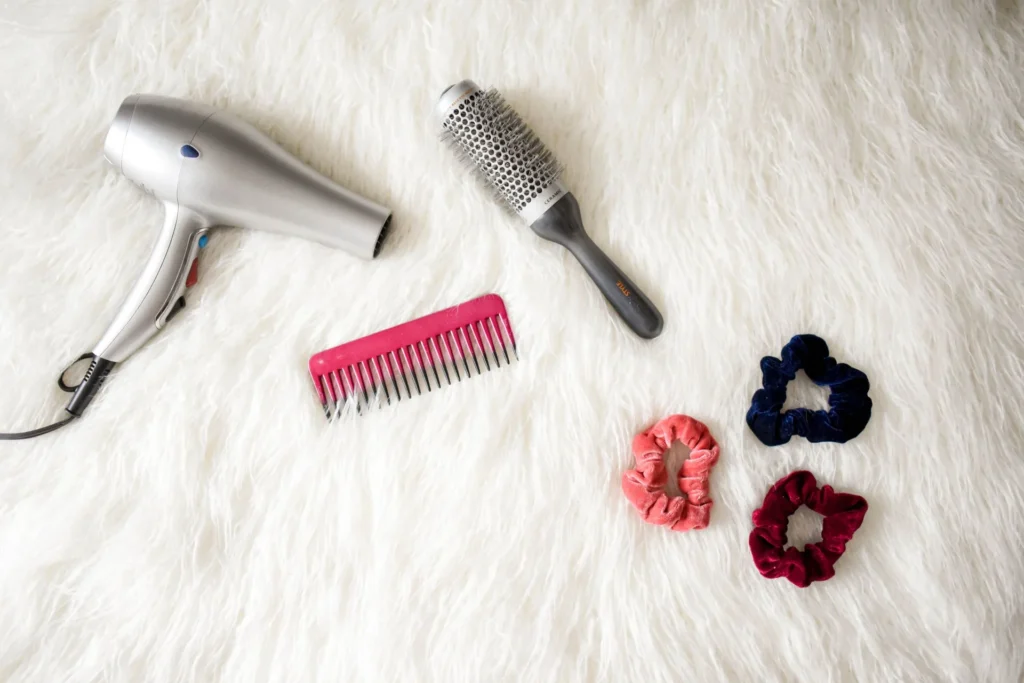
Photo by Element5 Digital on Pexels — https://www.pexels.com/photo/973402/
Step 2 — The face-shape rule: the pieces fall where the face asks
The front pieces fall where the face shape asks for them — longer pieces for round faces, soft waves at the jaw for square faces, volume at the chin for heart faces, any framing for oval faces. One rule, four answers — the pieces are never guessed.
- The face-shape rule: round faces get longer front pieces; square faces get soft waves at the jaw; heart faces get volume at the chin; oval faces take any framing. The pieces are decided on the style card, not in the mirror mid-style.
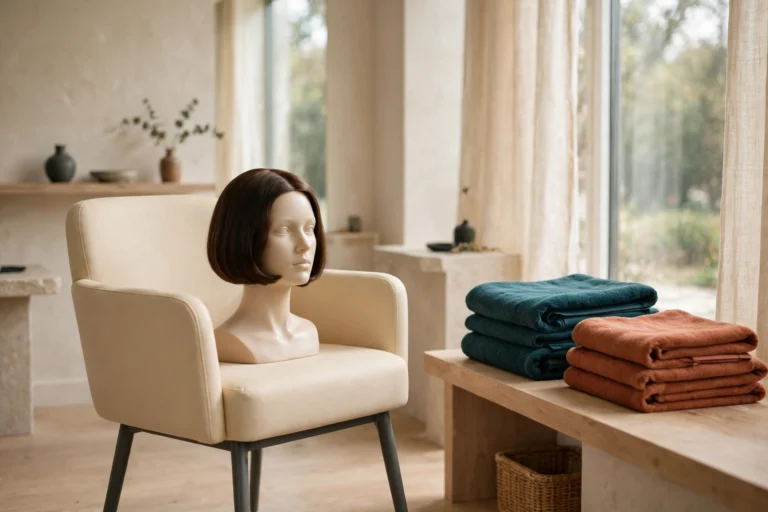
- The one-station rule: one station, one spot — paddle brush, wide-tooth comb, hair ties, bobby pins, one styling product, heat protectant (waves only), timer — everything in reach before the first brush stroke, so no style waits while a pin is found.
- Brush first, always: the brush is what the style holds onto; a style without a smooth start is a style that falls by noon. Brush first goes on every occasion, every style, no exceptions.
- Pins last, hidden: bobby pins go in crossed, under the hair, every style, every occasion — the pins hold the style, they never star in it.
That is why a hairstyle for long hair holds for a whole occasion: the pieces are decided before the first brush stroke, the station is laid out before the first brush stroke, and nothing is searched for while a style is half-pinned. Without the station, the twist waits while a pin is found, the smooth start goes frizzy, and the style is re-done. With the station, the only thing that moves during the 10 minutes is the brush. The outfit twin of this station is the Winter Outfits capsule — post 994 (#122) matches ten pieces into one capsule, and this post’s hair matches the capsule, not a separate look — the hair is the finish, never a second outfit.
Step 3 — The one-product rule: serum OR spray OR cream, never layered
One styling product per style — serum OR spray OR cream, never layered. A second product on the same style is a second style fighting the first — long hair goes heavy fast.
- The one-product rule: one product, picked before the first brush stroke — serum for the sleek low ponytail, texture spray for the soft loose waves, cream for the half-up twist, nothing extra for the braid or the bun unless the day asks for it. The product is decided on the style card, not mid-style.
- The 10-minute rule: one style per occasion, 10 minutes maximum — brush, style, one product, pins hidden. A style that takes longer gets simplified — fewer steps, same style — never extended into a second sitting. The timer starts at the brush and stops at the last pin.
- The second-day rule: day-two hair gets the bun or the braid, never the waves. Waves need fresh hair; the bun and the braid are built for second-day texture — the texture is the hold, not the problem.
- The no-heat default: waves are the only heated style; the other four are no-heat. Heat is a choice for one occasion, not the price of every style.
The one-product rule is what makes the 10-minute rule possible for a hairstyle for long hair: one product goes on fast and dries clean, while two products layered go heavy, sticky and slow — and a heavy style is a style that falls by noon. A hairstyle for long hair worn with one product holds its shape to the end of the occasion; a hairstyle for long hair worn with two products fights itself all day. That is the whole trade: one product, fast style, no re-do.
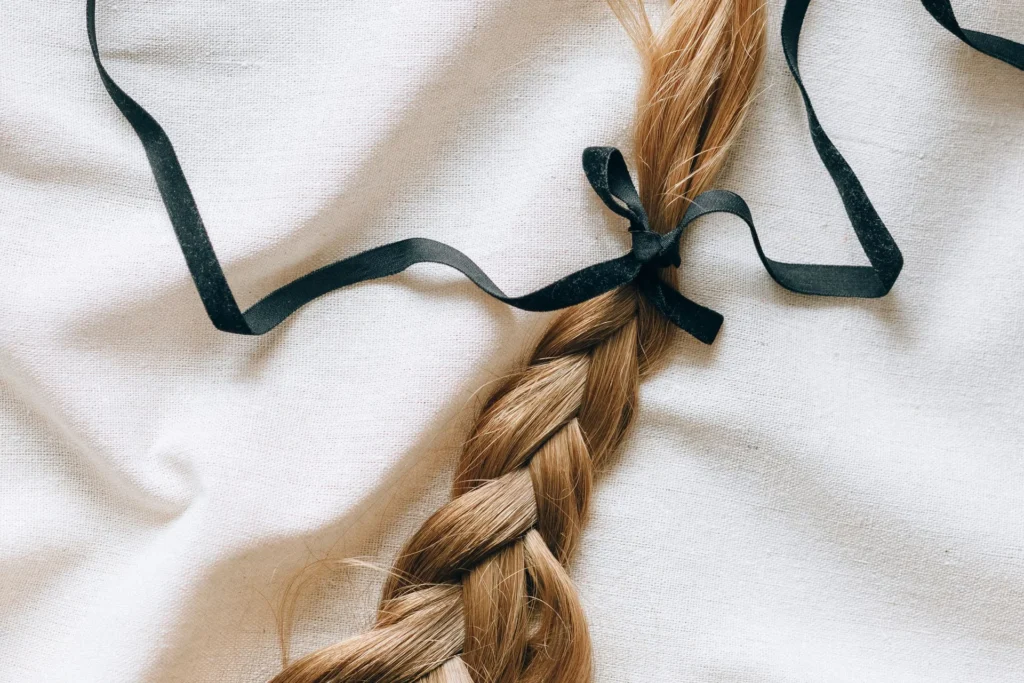
Photo by Nataliya Vaitkevich on Pexels — https://www.pexels.com/photo/8467968/
Step 4 — The five-occasion map: one style per occasion, in order
Five occasions, 10 minutes each. Workday sleek low ponytail, date night soft loose waves, busy day classic three-strand braid, family gathering half-up twist, second-day refresh low messy bun — and the week is styled, one occasion at a time, never a panic re-style before walking out the door.
- Workday (10 minutes): Style 1 — sleek low ponytail. The opener: brushed smooth, gathered low at the nape, one tie, one drop of serum. The week starts with the style, not the scramble.
- Date night (10 minutes): Style 2 — soft loose waves. The soft night: large-barrel waves through the lengths only, ends left straight, one spritz of texture spray. The only heated style lands on the only heated occasion.
- Busy day (10 minutes): Style 3 — classic three-strand braid. The keep-it-out-of-the-face day: one braid down the back, pulled loose at the edges, one tie at the end. The style for the day with no time to re-do hair.
- Family gathering (10 minutes): Style 4 — half-up twist. The gathered night: top half twisted back and pinned, bottom half left long and loose, front pieces by face shape. The style for the gathering.
- Second-day refresh (10 minutes): Style 5 — low messy bun. The closer: day-two hair gathered low, twisted once, pinned loose, a few pieces pulled out at the front. The week is styled, and the closer wears straight into the next wash day.
The map is what keeps a hairstyle for long hair from being re-decided every morning. Five styles chosen fresh each morning is a decision — tired hands, a second product, a re-do before the door. One style per occasion is a system — each occasion gets its own 10 minutes, each style gets its own product, and the waves land fresh on date night instead of flattened from three days of wear. The party twin of this map is Festive Nails — post 1033 (#127) dresses five party nights in five single shades, and this post’s hair finishes the same party night the nails start — the hair and the nails are the same evening, the same week, the same system.
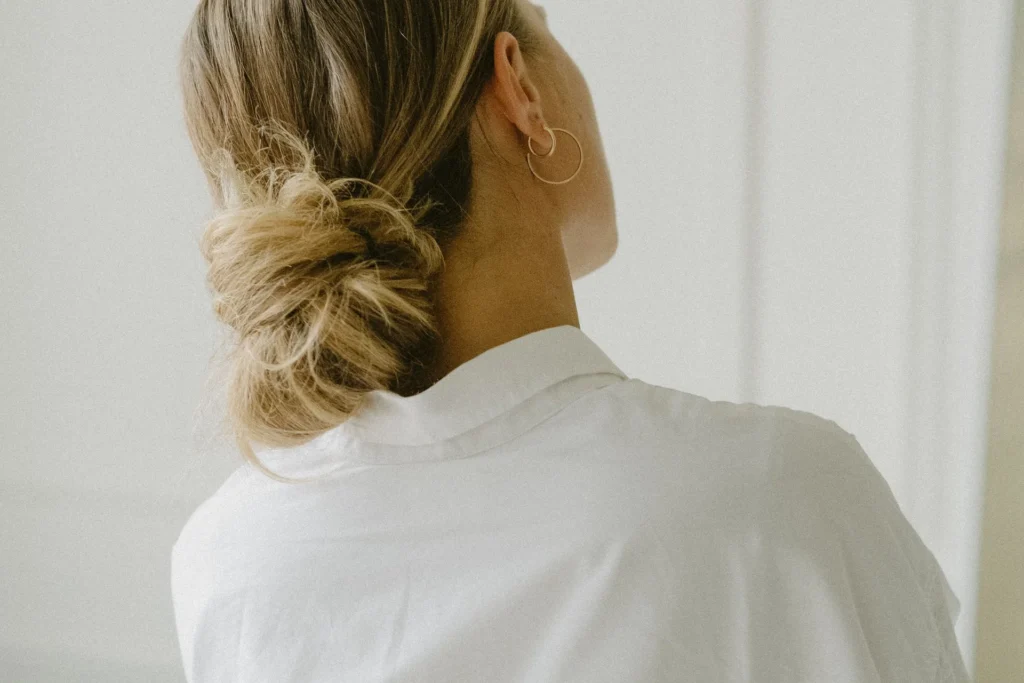
Photo by Mathilde Langevin on Pexels — https://www.pexels.com/photo/13347114/
Step 5 — The long-hair style map + 10-minute style card
The card is the hairstyle for long hair system in two pages: the five styles, the six rules, and every occasion, written down before the week starts.
The long-hair style map has one line per style — sleek low ponytail, soft loose waves, classic three-strand braid, half-up twist, low messy bun — with the occasion, the one product and the face-shape pieces written next to it. No style is worn until its line is written on the map. The 10-minute style card has one line per occasion — brush, style, one product, pins hidden — with a box to tick each step as it is done, and the timer written at the top: 10 minutes, no more. Every style is mapped before it is worn, every step is timed before the first brush stroke, and the week ends with five styles worn and zero re-dos.
The card is also the record that makes the system repeatable. After one week, it shows the pattern: which style wore fastest, which front pieces flatter most, and which product held longest. A system that is not written down is re-invented next Monday; a system on two pages runs next Monday in five occasions, again.
Before you start: style one tonight
Style one tonight, not in a week, so your week starts styled. A hairstyle for long hair starts with one style, not five — the sleek low ponytail, brushed smooth, gathered low at the nape, one tie, front pieces by face shape, one drop of serum — 10 minutes, timer on. The challenge is simple: style one tonight, in 10 minutes — the map decides, you just follow the card. Five styles, five occasions, and by the family gathering the half-up twist is fresh, not re-done.
The free printable: long-hair style map + 10-minute style card
The printable for this hairstyle for long hair post is a map and a 10-minute style card: the map has one line per style, with the occasion, the one product and the face-shape pieces written next to it, and the style card has one line per occasion — brush, style, one product, pins hidden — with a box to tick each step as it is done, so the whole system fits on two pages.
Print it, map your five styles, and start your week — the card is the only plan you need. The challenge is simple: style one tonight, in 10 minutes — the map decides, you just follow the card.
The 5-occasion long-hair challenge
Five occasions, five styles, 10 minutes each. Workday is the sleek low ponytail, date night is the soft loose waves, busy day is the classic three-strand braid, family gathering is the half-up twist, second-day refresh is the low messy bun — one style per occasion, in order, waves only on the heated night. The week ends styled, not scrambled, and the closer wears straight into the next wash day. That is the 5-occasion long-hair challenge — the hairstyle for long hair challenge in one line: not a race to wear five styles in one day, but five small, timed occasions that end with a full week already styled. Start tonight with the map, style the ponytail in 10 minutes, and let the card do its job — one style, one product, one occasion at a time.
Frequently asked questions
What is the Long Hair Hairstyles System?
Five styles in order (sleek low ponytail, soft loose waves, classic three-strand braid, half-up twist, low messy bun), one per occasion, 10 minutes a style, one product per style — with a face-shape rule for the front pieces.
How is this different from the short haircuts post?
Post 1040 (#128) is five short cuts, one per face shape — a cut post. This post is five long-hair styles, one per occasion — no cuts, no cut content.
How long does one style take?
10 minutes maximum — brush, style, one product, pins hidden. A style that takes longer gets simplified, never extended.
Which styles need heat?
Only the soft loose waves. The ponytail, braid, half-up twist and messy bun are all no-heat.
What about second-day hair?
Day-two hair gets the bun or the braid, never the waves — the texture is the hold, not the problem.
Do I need many products?
One per style — serum OR spray OR cream, never layered. The kit is a brush, a comb, ties, pins, one product and a timer.


2 Comments