Useful DIY Gifts: The 5-Type System, One Per Recipient Need
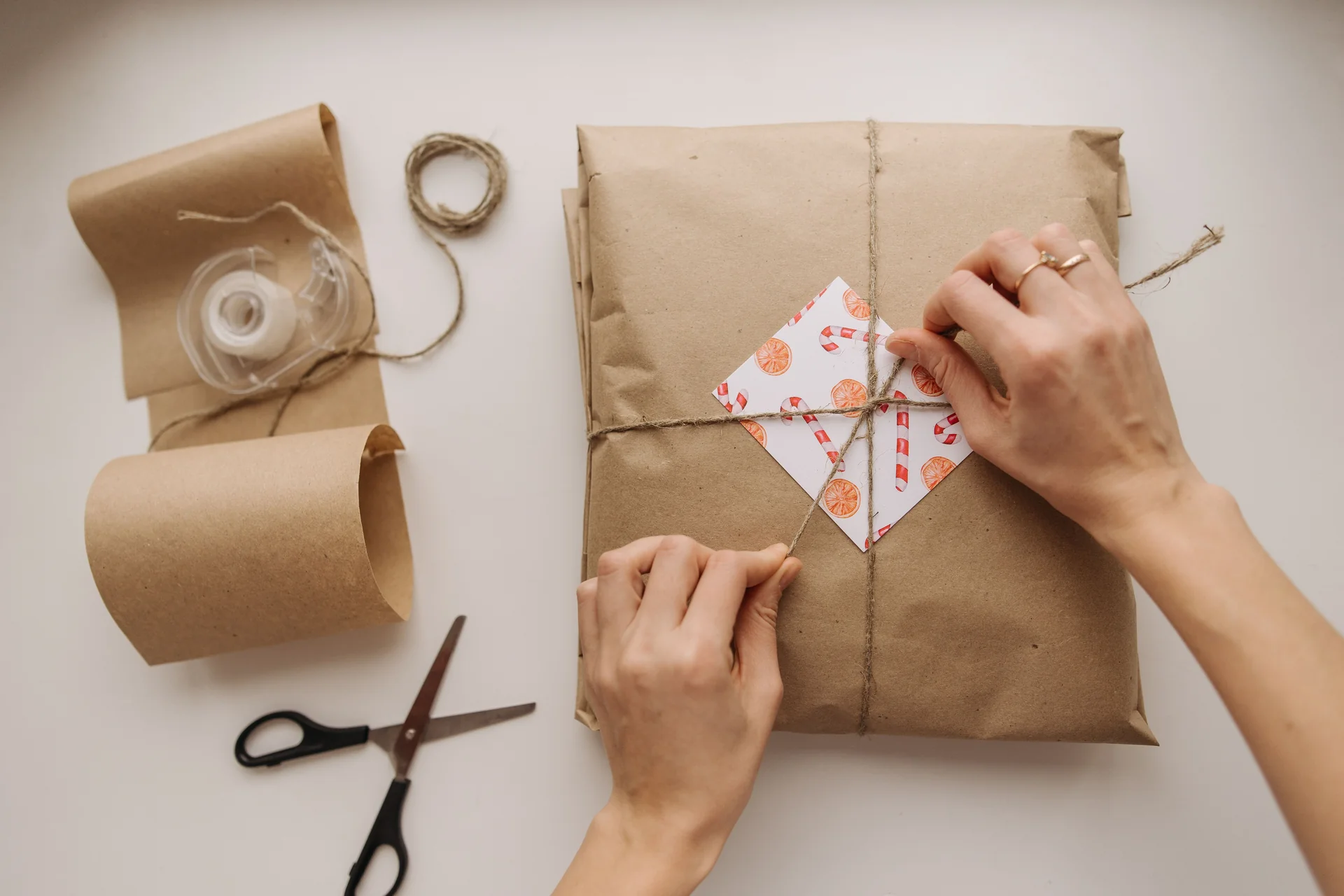
Photo by Pavel Danilyuk on Pexels — https://www.pexels.com/photo/6461510/
Most useful DIY gifts go wrong the same way: a project is saved, the materials are bought, the gift is made — and then it sits on a shelf, lovely and unused, because nobody asked the only question that matters: will this be used every week in the recipient’s real life? The problem is not the making. The problem is that there was no system: no type decided by recipient need, no test decided before materials were bought, no calendar for when making stops — just a saved project, a craft-shop run and a hope. A gift gallery does not fix that, because a gallery has no order, no rules and no timeline.
Useful DIY gifts are not a craft gallery. They are a system: five gift types that decide which recipient need gets which made gift, a weekly-use test that decides whether a gift is worth making at all, a batch rule that decides how many get made in one session, and a finish-by rule that decides when making stops. Five gift types, one per recipient need — kitchen-weekly, home-daily, desk-weekly, self-care-weekly, garden-weekly — mapped before anything is made. Used weekly, or it fails and is not made. One gift type per session, every copy in that session. Every gift finished by Dec 10, on the calendar. And a free useful DIY gifts map and weekly-use test card, so every gift is mapped to its recipient need and passed through the test before the first session. That is the whole system for useful DIY gifts — and it is the reason this post is a system, not a gallery: the system only works when the recipient’s week decides the type, the test decides whether to make it, and the calendar decides when making stops. The only figure claimed in this post is the focus keyword’s searched phrase itself — searches for “useful DIY gifts” grew by 1,370% year on year (Pinterest Newsroom, “Festive shopping made easy”, published 2026-11-17, updated 2026-11-20). No US/mo volume is claimed for “useful DIY gifts”, and no figure is borrowed from any other post. No rule here is presented as research: the five gift types, the weekly-use test, the batch rule, the finish-by rule, the one-example rule and the 10-minute choosing rule are this post’s own system rules, labeled as such.
The system at a glance
Five steps, in order. Then a printable, and a challenge.
- Step 1 — The five gift types: kitchen-weekly, home-daily, desk-weekly, self-care-weekly, garden-weekly — one type per recipient need, mapped before anything is made.
- Step 2 — The weekly-use test: used at least once a week in the recipient’s ordinary week, passed on the card in writing — or it fails and is not made.
- Step 3 — The batch rule: one gift type per session, every copy of that type in that one session, then the type is closed.
- Step 4 — The finish-by rule: every gift finished by Dec 10, the date written on the map before the first session.
- Step 5 — The useful DIY gifts map + weekly-use test card: every gift mapped to its recipient need and passed through the test before the first session.
Seven rules govern the whole system: five gift types, one per recipient need; used weekly, or it fails; one gift type per session; every gift finished by Dec 10; one worked example per type, never a list of ten; test before materials, always; and one recipient in 10 minutes on the card. Useful DIY gifts that follow the rules are used every week; gifts that ignore them are shelf decorations — and this system exists so the shelf gift never gets made.
Step 1 — The five gift types, one per recipient need
Five gift types. Kitchen-weekly, home-daily, desk-weekly, self-care-weekly, garden-weekly — one per recipient need, and the recipient’s week decides the type, never the other way round. That order is what turns useful DIY gifts from a saved project into a gift that fits the week it lands in.
- Type 1 — Kitchen-Weekly (cooks most weeks): the opener — example: a bottle of infused finishing oil, made in one batch for every cook on the list. Passes the test because it is used at the stove weekly.
- Type 2 — Home-Daily (runs the home daily): the daily-use type — example: a set of three reusable beeswax food wraps, made in one batch. Passes the test because they replace wrap and foil in daily kitchen use.
- Type 3 — Desk-Weekly (works at a desk most weeks): the work type — example: a set of cord-and-charger wraps for the desk bag, made in one batch. Passes the test because cords are packed and unpacked weekly.
- Type 4 — Self-Care-Weekly (a weekly wind-down habit): the rest type — example: a rice heat pack with a washable cover, made in one batch. Passes the test because it is used in a weekly wind-down routine.
- Type 5 — Garden-Weekly (tends plants weekly in season): the closer — example: a seed-start kit with labelled markers for one spring sowing, made in one batch. Passes the test because it is used weekly through the sowing weeks — in-season weekly use, stated plainly on the card, not claimed as year-round.
The types never swap needs — only the gifts inside each type change. A cook gets a kitchen-weekly gift; a desk worker gets a desk-weekly gift. That is the order the types follow — need first, gift second, never the other way round. One type per recipient keeps the gift readable: anyone can see at a glance which system the gift is running, and the next gift re-uses the same type instead of inventing a new one. A sixth type is not “more choice” — it is a second system arguing with the first, and the recipient’s week loses. These are useful DIY gifts chosen by need, not by workshop: the workshop twin of this system is The Handmade Gift Workshop Reset: One Table, Every Supply, Zero Craft Chaos — post 442 (#69) runs one table in four zones, a supply caddy, a drying zone and a list of 10 handmade gifts, and this post’s five types decide what is worth making before the workshop is even set up — selection by usefulness and making by workshop, not the same post twice. No table zone, caddy or #69 gift is re-taught here.
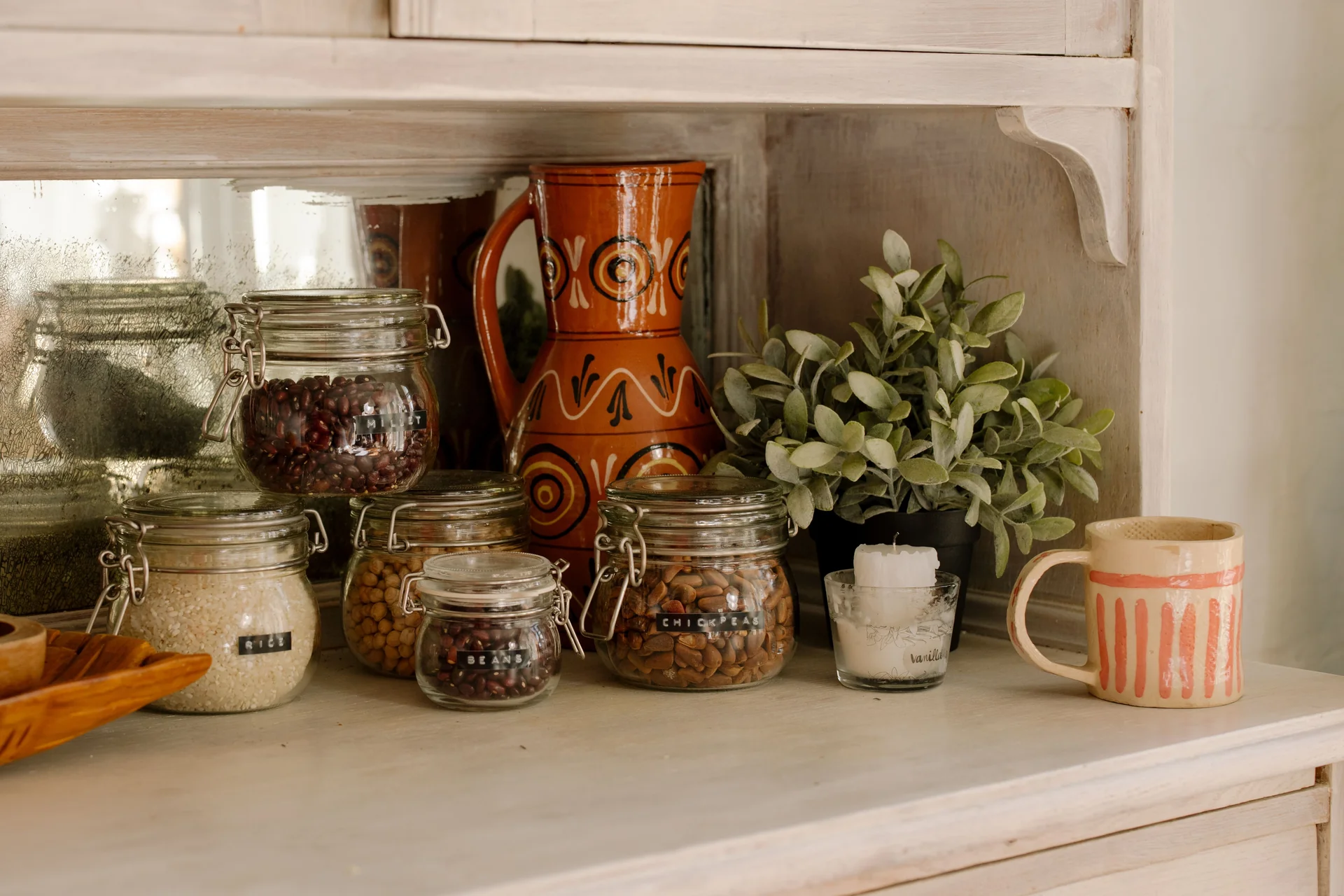
Photo by cottonbro studio on Pexels — https://www.pexels.com/photo/4781416/
Step 2 — The weekly-use test: used weekly, or it fails
Used at least once a week in the recipient’s ordinary week — or it fails. That is the whole test useful DIY gifts run on: “might use it one day,” “nice to have” and “looks lovely on a shelf” all fail.
The test is passed on the card, in writing, before making starts — never argued after the gift is made. Name the weekly moment the gift will be used: at the stove on a cooking night, in the desk bag on a work morning, in the wind-down on a rest evening. If the weekly moment cannot be named in one line, the gift fails, and the recipient moves to the bought-gift list in the same choosing sitting. A failed test is the system working, not a gift to argue for.
The one-example rule sits under the test: one worked example per type, never a list of ten. Each type carries exactly one example gift that passes its weekly-use test. A second example is a second decision — it belongs on your own map, not in this post. That is why useful DIY gifts chosen this way stay useful: the test is written before the materials are bought, the example is one, and nothing is argued for after the making has started. Without the card, the gift is made first and justified later. With the card, the only gifts that get made are the ones that already passed. The presentation twin of this choosing is Gift Card Presentation Ideas: The 5-Method System, One Per Recipient Type — post 1178 (#146) teaches five ways to present a bought gift card, and this post’s five types decide which made gift a recipient’s week needs — presentation by recipient type, selection by recipient need, never the same post twice. No presentation method from #146 is re-taught here.
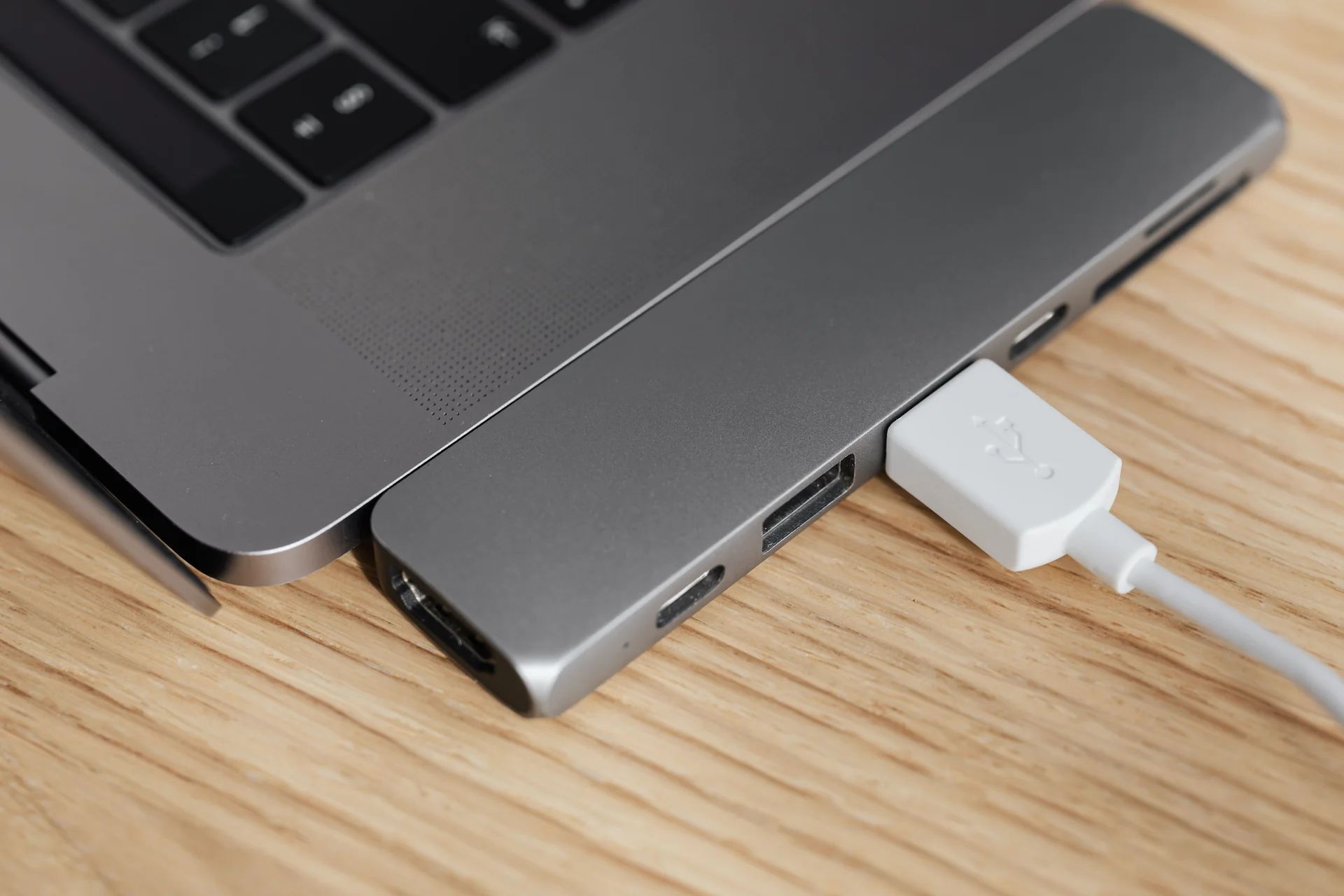
Photo by kaboompics on Pexels — https://www.pexels.com/photo/4195407/
Step 3 — The batch rule: one type per session
One gift type per session — every copy of that type made in that one session, then the type is closed. That is the batch rule useful DIY gifts run on: five types open at once is five half-finished piles; one type per session is a finished set.
Sessions run in map order: Type 1 batch, then Type 2, then Type 3, then Type 4, then Type 5 — each type made in full, closed, and never reopened. Session order follows the map, not enthusiasm. The kit lives in one station, one spot — the map, the test card, a pen and the recipient list — everything for choosing in reach before the first name is mapped, so no choice waits while a list is found. Test before materials, always: no supply is bought or gathered for a gift that has not passed the weekly-use test on the card. One type open, always: the map shows exactly one type in progress; a second type opens only when the first type’s batch is finished and closed. That is why useful DIY gifts made this way finish: the batch is one type, the session is one sitting, and nothing is searched for while the batch runs. The guide twin of this batching is Clutter Free Christmas Gifts: 25 Ideas That Won’t Become January Clutter — post 326 (#38) is the bought-gift guide, and this post’s types are made gifts only, tested before they are made — bought by guide, made by test, never the same post twice. No bought-gift list from #38 is re-taught here.
Step 4 — The finish-by rule: every gift finished by Dec 10
Every gift finished by Dec 10 — the date is written on the map before the first session. That is the finish-by rule useful DIY gifts run on: a gift not finished by Dec 10 becomes a bought gift, chosen with care — that is the calendar protecting Christmas, not a failure.
- Choosing sitting (10 minutes per recipient): map every recipient to one of the five types, run the weekly-use test on the card, write the Dec 10 finish date on the map. Recipients who fail the test move to the bought-gift list the same sitting.
- Sessions 1–5 (one type per session): Type 1 batch, then Type 2, then Type 3, then Type 4, then Type 5 — each type made in full, closed, and never reopened.
- By Dec 10 (finish-by): every made gift finished. Anything unfinished becomes a bought gift — decided on Dec 10, not on Dec 23.
The 10-minute rule governs the choosing: one recipient, one type, one test — 10 minutes maximum on the card. A recipient whose need cannot be named in 10 minutes gets a bought gift instead — the choice gets simplified, never extended into a second sitting of guessing. The timeline is what makes useful DIY gifts work for a full season instead of against it: the type is mapped before the first session, the test lands before the materials do, and the finish-by date arrives before the panic week does. A maker who waits for inspiration never catches up; a maker built on Dec 10 is already decided when Dec 10 arrives. The finishing twin of this timeline is The Gift Wrap Station Reset: Pack It Up in 10 Minutes, Ready Next Year — post 785 (#98) teaches the wrap station a finished gift moves to, and this post’s sessions end at a finished, tested gift — making by type, wrapping by station, never the same post twice. No wrapping method from #98 is re-taught here.
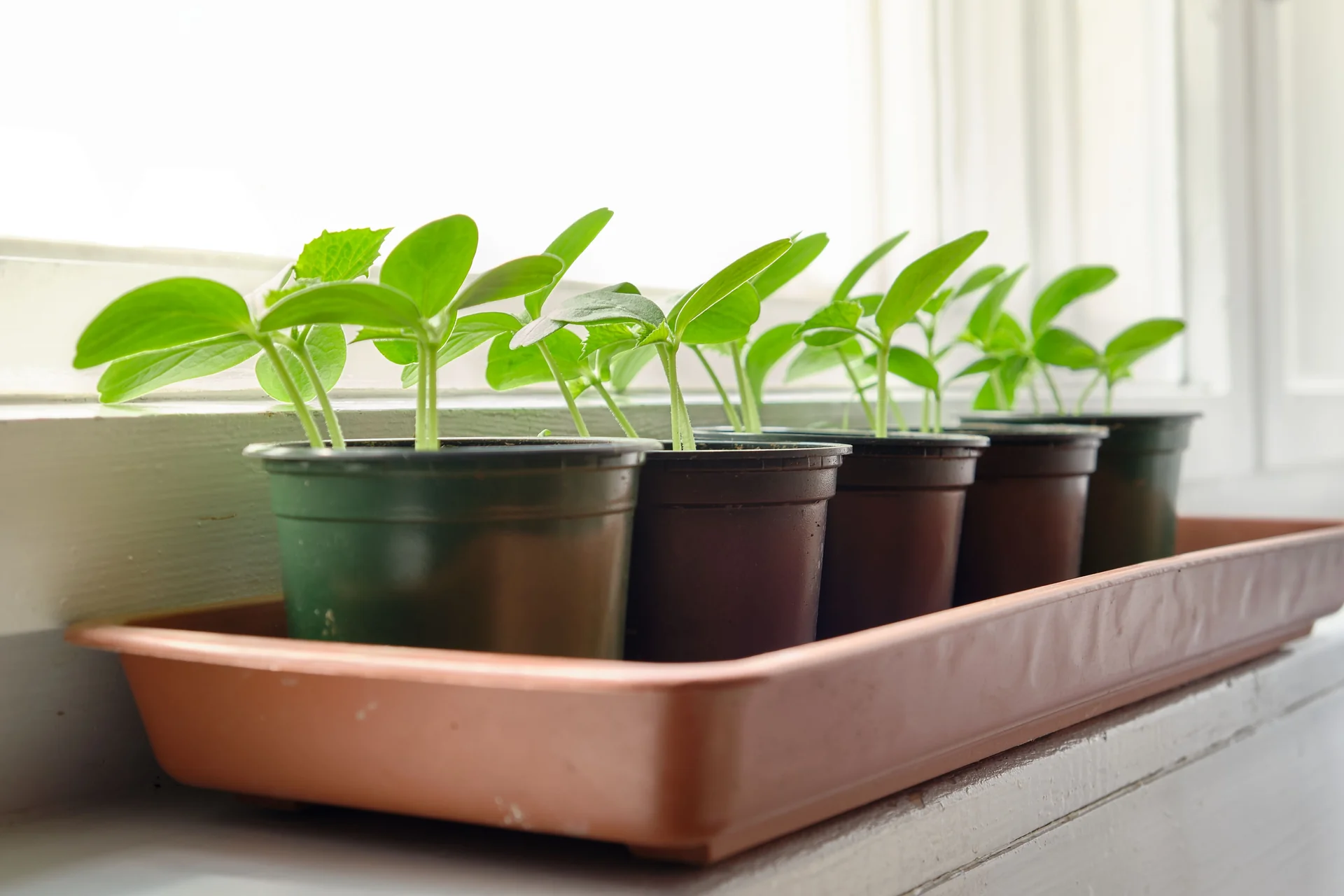
Photo by Vitezslav Vylicil on Pexels — https://www.pexels.com/photo/5412144/
Step 5 — The useful DIY gifts map + weekly-use test card
Every gift is mapped before it is made. Useful DIY gifts with no map are gifts that fail on schedule — nobody’s schedule.
The map is the useful DIY gifts system on two pages: the five types, the seven rules, and every date, written down before the first session. The useful DIY gifts map has one line per recipient — name, type (kitchen-weekly, home-daily, desk-weekly, self-care-weekly or garden-weekly), the one example gift, and the Dec 10 finish date written next to it. No gift is made until its line is written on the map. The weekly-use test card has one line per gift — the weekly moment it will be used, written in one line, with a box to tick when the test is passed — and the same five types written at the top. Every gift is mapped before it is made, every test is passed before materials are bought, and the season ends with the next gift already decided.
Before you start: map one recipient tonight
Map one recipient tonight, not at the craft shop — useful DIY gifts mapped tonight are made in one batch. Find the recipient’s weekly need on the printable — cooks most weeks, runs the home daily, works at a desk most weeks, a weekly wind-down habit, or tends plants weekly in season — write the one type and the one example gift into the map, and run the weekly-use test before any supply is bought. Can the weekly moment be named in one line, or is it a “might use it one day” arguing with the card? A gift that cannot name its weekly moment fails the test, and the recipient moves to the bought-gift list.
The challenge is simple: map one recipient tonight, in 10 minutes — the test decides, you just follow the card. Useful DIY gifts work best as a system, and the system is already written. The only decision left is which of the five types your recipient’s week carries.
The free printable: useful DIY gifts map + weekly-use test card
The printable for this post is a useful DIY gifts map and a weekly-use test card — useful DIY gifts on two pages: five types with one recipient need each to fill in, plus a weekly-use test — the weekly moment in one line, pass or fail, with the Dec 10 finish date written at the top.
Print it, write your recipient and type into the map, and work the card recipient by recipient. The challenge is simple: map one recipient tonight, in 10 minutes — the test decides, you just follow the card.
The 5-type useful DIY gifts challenge
Five types, one test, one finish date. Kitchen-weekly, home-daily, desk-weekly, self-care-weekly, garden-weekly — one per recipient need, in order, used weekly or it fails, one type per session, every gift finished by Dec 10, one example per type, test before materials. That is useful DIY gifts as a system, not a scramble. The gifts stay useful for a full season, and the finish-by date arrives already decided. That is the 5-type useful DIY gifts challenge — the challenge in one line: not a race to make ten projects in December, but one recipient mapped tonight whose gift is used every week. Start tonight with the map, test before materials, and let the card do its job — one type, one test, one batch at a time.
FAQ
What is the Useful DIY Gifts System?
Five gift types mapped to recipient need (kitchen-weekly, home-daily, desk-weekly, self-care-weekly, garden-weekly), a weekly-use test every gift must pass, one gift type per session, and every gift finished by Dec 10 — with a useful DIY gifts map and weekly-use test card.
How is this different from the Handmade Gift Workshop Reset?
Post 442 (#69) is the workshop — one table, four zones, a supply caddy, a drying zone and a list of 10 gifts. This post is selection — which type of gift a recipient’s week actually needs, tested before anything is made. No table zone, caddy or #69 gift is re-taught.
What exactly surged +1,370%?
Searches for “useful DIY gifts” — Pinterest Newsroom, “Festive shopping made easy” (published 2026-11-17, updated 2026-11-20). The figure belongs to that exact phrase, year on year.
Is there a search volume for useful DIY gifts?
No verified US/mo volume is claimed — this phrase is not a nails/hairstyle sheet keyword and no volume was verified for it. No volume is invented.
What if a gift fails the weekly-use test?
It is not made. The recipient moves to the bought-gift list in the same choosing sitting — a failed test is the system working, not a gift to argue for.
What if a gift is not finished by Dec 10?
It becomes a bought gift, chosen with care. The finish-by rule protects the last two weeks of December; a panic-made gift in Christmas week is exactly what the system exists to prevent.